

 English
 Deutsch
 italiano
 中文简体
中文简体
Author: Admin Date: 2026-07-02
How Do Electric Motor Transaxles Improve EV Performance?
Content
What Is an Electric Motor Transaxle
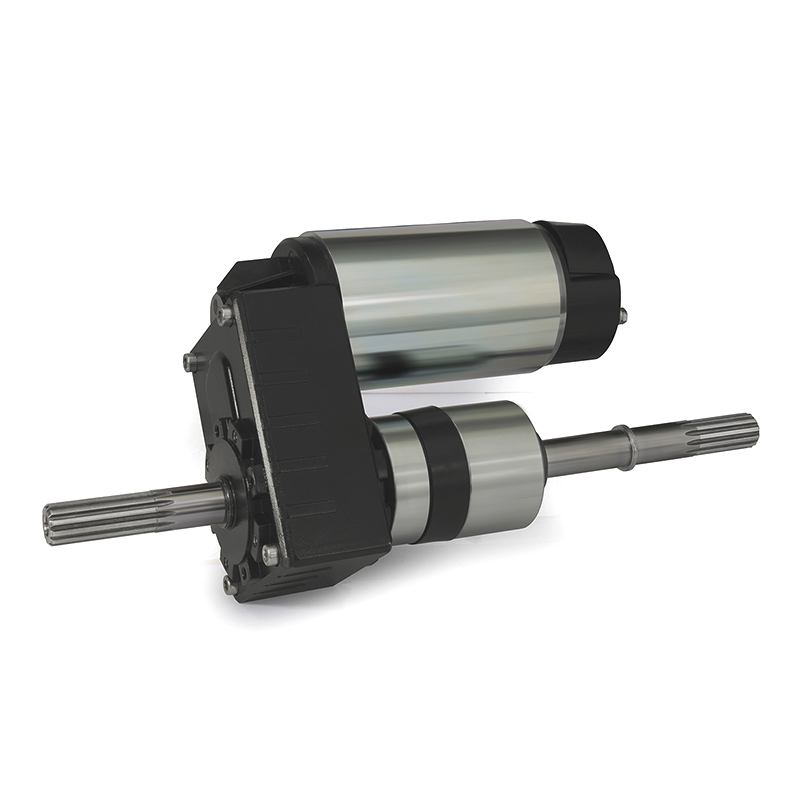
An electric motor transaxle combines the electric motor, transmission, and differential into a single integrated unit that transmits power directly to the drive wheels. This design differs significantly from traditional drivetrains, which use separate components connected by driveshafts and mounting hardware. By consolidating these functions, transaxles reduce the number of parts required, decrease overall weight, and free up space within the vehicle chassis for battery packs or additional cargo room.
This integrated approach has become the standard configuration for most electric and hybrid vehicles, particularly for front-wheel-drive and all-wheel-drive platforms where compact packaging is essential. Manufacturers favor transaxle designs because they simplify assembly, reduce mechanical losses, and allow for more precise torque distribution between wheels.
Core Components Inside an Electric Transaxle
Understanding the internal structure of an electric motor transaxle helps engineers and technicians evaluate performance characteristics and diagnose issues when they arise. Each component plays a distinct role in converting electrical energy into usable mechanical power at the wheels.
Primary Elements and Their Functions
- Electric motor: converts electrical energy into rotational mechanical power
- Reduction gearset: adjusts motor speed and torque to match wheel requirements
- Differential: allows wheels to rotate at different speeds during turns
- Inverter or integrated power electronics: converts battery DC power into AC for the motor
- Cooling system: manages heat generated during motor and electronics operation
- Housing assembly: protects internal components and mounts the unit to the chassis
Many modern transaxle designs also integrate the inverter directly into the housing, creating a three-in-one unit that further reduces wiring complexity and improves thermal management by placing power electronics close to the motor they control.
Single-Speed vs Multi-Speed Transaxle Designs
Most electric vehicles use single-speed transaxles because electric motors produce usable torque across a much wider RPM range than internal combustion engines, eliminating the need for multiple gear ratios. However, some performance-oriented and commercial applications benefit from multi-speed designs that optimize efficiency across different driving conditions.
| Design Type | Advantages | Typical Applications |
| Single-Speed | Simple, lightweight, fewer failure points | Passenger EVs |
| Two-Speed | Better high-speed efficiency and towing power | Performance EVs, trucks |
| Multi-Speed | Optimized efficiency across wide load ranges | Commercial and heavy-duty EVs |
Single-speed designs remain the most common choice due to their lower cost, reduced weight, and fewer moving parts that could fail over the vehicle's service life, though multi-speed units continue gaining traction in applications requiring higher towing capacity or extended top-speed efficiency.
Benefits of Integrated Transaxle Systems
Choosing an integrated electric transaxle over separate drivetrain components offers several practical advantages for vehicle manufacturers and fleet operators alike. These benefits extend beyond simple space savings to impact overall vehicle efficiency and reliability.
Key Performance Advantages
- Reduced weight compared to separate motor, transmission, and differential units
- Lower mechanical losses due to fewer connecting joints and shafts
- Improved packaging flexibility for battery placement and cabin space
- Simplified manufacturing and assembly processes
- Enhanced thermal efficiency when cooling systems are shared across components
These advantages compound at scale, particularly for manufacturers producing high volumes of vehicles, where reduced part counts translate into lower production costs and simplified supply chain logistics.
Selecting the Right Transaxle for Vehicle Applications
Choosing an appropriate electric motor transaxle depends on factors including vehicle weight, intended performance characteristics, and drive configuration. A lightweight commuter vehicle has very different requirements than a heavy-duty electric truck designed for towing.
Engineers must consider peak and continuous torque ratings, maximum RPM range, and thermal management capacity when matching a transaxle to a specific application. Vehicles intended for frequent stop-and-go city driving benefit from transaxles optimized for low-speed torque, while highway-focused vehicles prioritize efficiency at sustained higher speeds.
Compatibility with the vehicle's battery voltage and overall electrical architecture is equally important, since mismatched components can lead to reduced efficiency or premature system failure. Working closely with transaxle manufacturers during the design phase helps ensure the selected unit aligns with both performance targets and long-term durability requirements.
Maintenance Considerations for Electric Transaxles
While electric transaxles generally require less maintenance than traditional internal combustion drivetrains, routine attention still helps maximize service life and prevent unexpected failures. Unlike gasoline engines, there are no spark plugs or oil changes to worry about, but several other factors remain important.
Gear oil within the reduction gearset and differential should be checked and replaced according to manufacturer intervals, since degraded lubricant can accelerate wear on gear teeth and bearings. Cooling system fluid levels also require periodic inspection, as inadequate cooling can lead to reduced motor performance or thermal throttling under heavy load conditions.
Regular inspection of electrical connections and seals helps prevent moisture intrusion, which can damage sensitive power electronics integrated within the transaxle housing. Fleet operators managing multiple electric vehicles often implement scheduled diagnostic checks using onboard telemetry data to catch developing issues before they result in costly downtime or component replacement.

-
Feedback
Related products

Hotline:0086-15869193920
Time:0:00 - 24:00
