

 English
 Deutsch
 italiano
 中文简体
中文简体
Author: Admin Date: 2025-11-17
What Are Common Failure Modes of AC Gear Motors and How to Prevent Them?
Content
Introduction: Understanding AC Gear Motor Reliability
AC geared motors are widely used in industrial automation, conveyor systems, robotics, and material handling equipment due to their combination of high torque, variable speed, and energy efficiency. Despite their robust design, these motors are prone to specific failure modes if improperly operated or maintained. Understanding these common failures and implementing preventive measures is crucial for maximizing uptime, reducing maintenance costs, and extending the motor's service life.
Electrical Failures
Electrical issues are one of the leading causes of AC geared motor failure. They primarily involve the motor windings, insulation, and electrical connections.
Insulation Breakdown
Over time, insulation materials can degrade due to heat, moisture, or chemical exposure. Insulation failure can result in short circuits or ground faults, leading to motor stoppage. Preventive measures include monitoring operating temperatures, avoiding overvoltage, and using motors with insulation rated for the application environment.
Overheating Due to Overload
Excessive load can cause winding temperatures to rise beyond safe limits. This not only damages insulation but may also warp motor components. To prevent overload, always select a motor with adequate torque capacity, use thermal protection devices, and monitor load conditions regularly.
Loose or Corroded Electrical Connections
Loose terminals and corroded connectors increase resistance, causing localized heating and intermittent operation. Routine inspections, tightening connections, and applying anti-corrosion treatments are effective preventive strategies.
Mechanical Failures
Mechanical problems are equally significant in AC geared motors. These failures often stem from the gearbox, bearings, and shaft misalignment.
Gear Wear and Tooth Damage
Continuous operation under high torque or misalignment can lead to wear, pitting, or chipping of gear teeth. Lubrication plays a critical role in preventing this type of failure. Use the correct type and viscosity of lubricant, and maintain a regular lubrication schedule to minimize friction and wear.
Bearing Failure
Bearings support the motor shaft and facilitate smooth rotation. Bearing failure can result from improper lubrication, contamination, or excessive loads. Regular bearing inspection, cleaning, and proper greasing prevent premature wear and reduce vibration that can lead to further damage.
Shaft Misalignment
Improper installation or thermal expansion can misalign the motor shaft, leading to vibration, noise, and increased mechanical stress on bearings and gears. Use precision alignment tools during installation and check alignment periodically to ensure long-term reliability.
Environmental and Operational Factors
External conditions significantly affect the longevity of AC geared motors. Dust, moisture, temperature extremes, and vibration can accelerate wear and trigger failures.
Contamination and Dust Ingress
Particles can enter the motor or gearbox, causing abrasion on gears and bearings. Installing proper seals, using IP-rated motors, and maintaining a clean operating environment help prevent contamination-related failures.
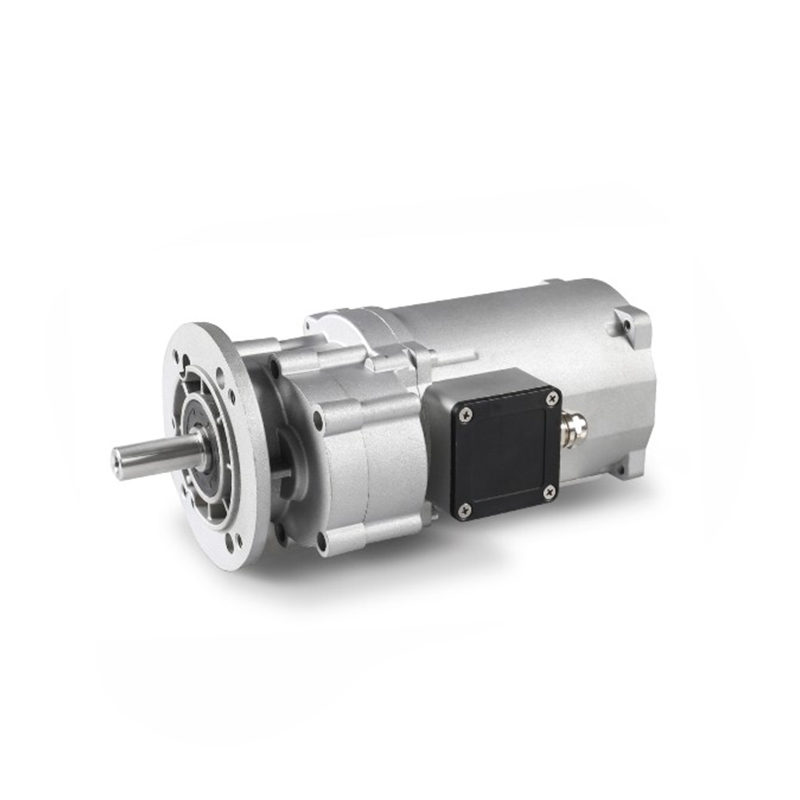
Temperature Extremes
High ambient temperatures increase the risk of overheating, while extremely low temperatures can affect lubricant viscosity and material flexibility. Selecting motors designed for the specific temperature range and monitoring thermal performance prevents damage.
Excessive Vibration and Shock Loads
Vibration from connected equipment or external shocks can loosen components and cause fatigue failure. Use vibration damping mounts, flexible couplings, and ensure balanced load distribution to minimize the impact.
Lubrication and Maintenance Practices
Proper lubrication and maintenance are the most effective ways to prevent mechanical failures and prolong motor life. Establishing a routine maintenance plan is essential for reliability.
- Regularly check and replenish gearbox and bearing lubrication using the manufacturer-recommended oil or grease.
- Monitor lubricant condition for contamination, oxidation, or viscosity change.
- Follow a preventive maintenance schedule, including inspection, cleaning, and tightening mechanical and electrical connections.
- Document all maintenance activities to identify recurring issues and adjust preventive strategies.
Troubleshooting Common Issues
Identifying early warning signs helps prevent minor issues from becoming major failures. Key indicators include unusual noise, vibration, increased operating temperature, and reduced torque or speed.
| Symptom | Possible Cause | Preventive Action |
| Overheating | Overload, poor ventilation | Reduce load, ensure airflow, monitor temperature |
| Noise/Vibration | Bearing wear, misalignment | Inspect bearings, align shafts, lubricate |
| Reduced Torque | Gear wear, electrical issues | Check gears, inspect windings, verify voltage |
| Frequent Tripping | Short circuit, overload | Inspect wiring, install protective devices, balance load |
Conclusion: Proactive Measures Ensure Longevity
AC geared motors are reliable workhorses in many industrial applications, but failure can occur due to electrical, mechanical, and environmental factors. By understanding common failure modes, implementing preventive maintenance, and monitoring operating conditions, engineers and technicians can ensure long-term motor performance, reduce downtime, and minimize repair costs. A proactive approach combining correct motor selection, proper installation, lubrication, and regular inspection is key to preventing failures and achieving optimal reliability.

-
Feedback
Related products

Hotline:0086-15869193920
Time:0:00 - 24:00
