

 English
 Deutsch
 italiano
 中文简体
中文简体
Author: Admin Date: 2026-02-10
What are the common problems with DC gear motors?
Content
- 1 Understanding Motor Overheating and Thermal Management Issues
- 2 Gear Wear and Mechanical Degradation Patterns
- 3 Bearing Failure Modes and Detection Methods
- 4 Brush Wear and Commutation Problems in Brushed Motors
- 5 Electrical Winding Failures and Insulation Breakdown
- 6 Noise and Vibration Issues in Gear Motor Assemblies
- 7 Lubrication-Related Problems and Maintenance Requirements
- 8 Shaft and Coupling Alignment Problems
- 9 Environmental Factors Affecting Motor Performance
- 10 Load-Related Failures from Improper Application
- 11 Diagnostic Procedures and Troubleshooting Strategies
Understanding Motor Overheating and Thermal Management Issues
Overheating represents one of the most prevalent and damaging problems affecting DC gear motors across industrial, automotive, and consumer applications. Excessive heat generation occurs when electrical energy converts inefficiently to mechanical work, with the surplus dissipating as thermal energy within motor windings, bearings, and gear components. Temperature elevation beyond manufacturer specifications accelerates insulation degradation, lubricant breakdown, and material expansion that compounds mechanical stress throughout the assembly.
The root causes of motor overheating vary considerably but typically stem from electrical, mechanical, or environmental factors. Excessive electrical current draw, whether from voltage irregularities, winding short circuits, or phase imbalances in brushless configurations, generates heat proportional to the square of current according to fundamental electrical principles. Mechanical friction from misalignment, inadequate lubrication, or bearing deterioration converts kinetic energy to heat rather than productive work. Environmental conditions including high ambient temperatures, inadequate ventilation, or dust accumulation on motor surfaces impair heat dissipation and create thermal buildup that exceeds design parameters.
Thermal protection mechanisms vary by motor design and application criticality. Simple thermal fuses provide one-time protection by permanently opening circuits when temperature thresholds are exceeded, requiring replacement after activation. Resettable thermal switches employ bimetallic elements that disconnect power at specified temperatures and automatically reconnect after cooling, offering reusable protection without component replacement. Advanced systems incorporate thermistors or resistance temperature detectors that provide continuous temperature monitoring and enable predictive maintenance strategies before catastrophic failures occur.
Gear Wear and Mechanical Degradation Patterns
Mechanical wear within gear reduction assemblies constitutes a progressive failure mode that gradually diminishes performance before eventual complete breakdown. The gear train experiences constant contact stress as teeth mesh and transmit torque, creating friction, micro-deformation, and material removal that accumulates over operational lifetime. Understanding wear patterns and mechanisms enables predictive maintenance and replacement scheduling that prevents unexpected failures in critical applications.
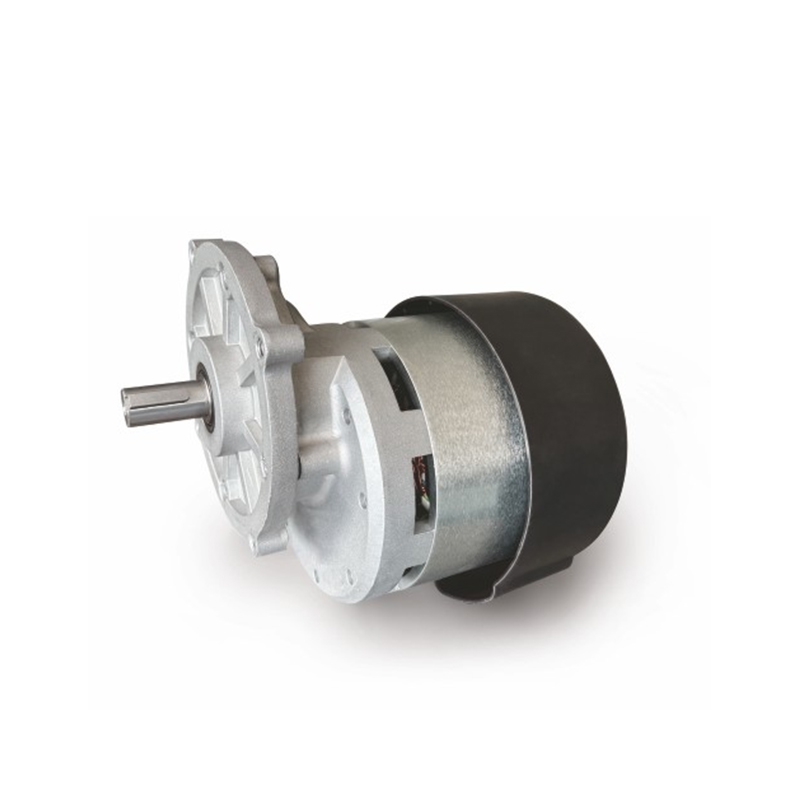
Abrasive wear occurs when hard particles—either introduced contaminants or debris generated from gear surface deterioration—become trapped between meshing teeth and act as cutting agents that remove material with each rotation. This wear mode accelerates dramatically when lubricant contamination occurs or when inadequate sealing allows environmental particles to enter the gearbox. The abraded surfaces develop roughness that increases friction coefficients and heat generation while reducing meshing efficiency and increasing noise levels.
| Wear Type | Primary Cause | Symptoms | Prevention |
| Abrasive Wear | Contamination particles | Surface roughening, metallic debris | Proper sealing, clean lubrication |
| Pitting | Contact fatigue stress | Surface craters, noise increase | Proper load rating, quality materials |
| Scuffing | Lubricant film breakdown | Metal transfer, surface scoring | Adequate lubrication, speed control |
| Tooth Breakage | Shock loads, fatigue | Sudden failure, jamming | Avoid overload, proper sizing |
Pitting develops through subsurface fatigue as repeated contact stress cycles create crack initiation sites below the tooth surface. These cracks propagate toward the surface until material fragments detach, leaving characteristic crater-like pits. Initial pitting may be cosmetic without significant performance impact, but progressive pitting roughens tooth surfaces, increases dynamic loading, and eventually compromises structural integrity. The failure progression from initial pitting to catastrophic tooth breakage can span months or years depending on load cycles and stress magnitude.
Bearing Failure Modes and Detection Methods
Bearings supporting both motor shaft and intermediate gear shafts represent critical components whose failure produces cascading damage throughout the gear motor assembly. These precision components maintain shaft alignment, minimize friction, and withstand radial and axial loads generated during operation. Bearing degradation follows predictable patterns that produce detectable symptoms before complete failure, enabling condition-based maintenance strategies.
The bearing failure progression typically begins with lubricant degradation or contamination that compromises the protective film separating rolling elements from race surfaces. As metal-to-metal contact increases, localized stress concentrations develop that initiate subsurface cracks. These cracks propagate through repeated stress cycles until material fragments spall from the race surface. The detached particles accelerate wear by acting as abrasive contaminants, creating a self-reinforcing degradation cycle. Advanced failure produces audible grinding noises, increased vibration, shaft deflection, and eventual seizure if operation continues.
Vibration analysis provides the most sensitive bearing condition monitoring method, detecting characteristic frequency components that correlate with specific bearing defects. Ball pass frequencies—the rate at which rolling elements traverse specific points on inner or outer races—produce distinct vibration signatures that increase in amplitude as defects develop. Spectral analysis of vibration data enables defect identification and severity assessment before symptoms become apparent through noise or performance degradation. Temperature monitoring complements vibration analysis, as bearing friction increases measurably before catastrophic failure. Infrared thermography or embedded temperature sensors detect thermal anomalies that indicate inadequate lubrication, excessive loading, or developing surface damage.
Brush Wear and Commutation Problems in Brushed Motors
Brushed DC motors incorporate carbon or copper-graphite brushes that maintain electrical contact with the rotating commutator, enabling current delivery to armature windings. This sliding contact interface represents an inherent wear mechanism that requires periodic brush replacement and creates performance issues as components degrade. Understanding brush wear patterns and commutation problems helps optimize maintenance intervals and identify abnormal conditions requiring intervention.
Normal brush wear occurs through mechanical abrasion and electrical erosion as current transfers across the brush-commutator interface. Quality brush materials balance electrical conductivity, mechanical strength, and lubricity to achieve thousands of operational hours before requiring replacement. Manufacturers specify minimum brush length dimensions that indicate replacement necessity, typically when brushes wear to 30-40% of original length. Operating beyond this threshold risks inconsistent contact pressure, increased electrical resistance, and potential damage to commutator surfaces from exposed brush springs or holders.
Accelerated brush wear signals abnormal operating conditions requiring investigation and correction. Excessive current loading generates heat and electrical arcing that rapidly erodes brush material. Commutator surface roughness from wear, contamination, or improper maintenance increases mechanical abrasion rates. Misalignment between brush holders and commutator creates uneven contact pressure distribution that concentrates wear in specific locations. Environmental factors including excessive humidity, conductive dust, or chemical exposure can degrade brush materials and promote electrical tracking that accelerates erosion.
Commutator Surface Deterioration
The commutator surface condition directly affects motor performance, efficiency, and brush lifespan. Ideal commutator surfaces maintain smooth, uniform copper or copper alloy finish with minimal oxidation and proper profile geometry. Operating conditions and maintenance practices significantly influence surface preservation. Normal operation develops a thin patina layer that actually improves commutation by providing beneficial electrical and tribological properties. This brown or dark film should not be removed during routine maintenance as it represents optimal operating condition.
Problematic commutator conditions include grooving, where uneven brush wear creates circumferential channels that compromise contact continuity. Threading develops when debris accumulates between commutator segments and creates raised copper ridges at segment edges. Excessive sparking from poor commutation burns and pits the surface, creating rough areas that accelerate brush wear. Addressing these conditions may require commutator resurfacing through turning or grinding to restore proper geometry, followed by undercutting of insulation between segments to prevent shorts.
Electrical Winding Failures and Insulation Breakdown
Armature and field winding failures constitute serious electrical problems that often necessitate complete motor replacement rather than repair, particularly in smaller gear motor assemblies where rewinding costs exceed replacement economics. Winding failures develop through insulation degradation that allows current to flow through unintended paths, creating short circuits that drastically alter motor electrical characteristics and generate destructive heat.
Insulation degradation occurs through multiple mechanisms that accelerate under adverse operating conditions. Thermal stress represents the primary degradation factor, as elevated temperatures progressively break down organic insulation materials through chemical reactions and physical deterioration. Each insulation class specifies maximum continuous operating temperatures beyond which rapid degradation occurs. Operating motors within thermal limits extends insulation life dramatically, while even modest temperature excursions significantly reduce lifespan according to well-established degradation rate relationships.
Common winding failure modes and their detection methods include:
- Turn-to-turn shorts where insulation between adjacent winding turns fails, creating localized current paths that bypass intended circuit resistance and generate intense heat in affected areas
- Coil-to-coil shorts affecting separate windings that should remain electrically isolated, detectable through resistance measurements showing lower values than specification
- Ground faults where winding insulation fails and allows current flow to the motor frame or shaft, creating shock hazards and ground fault circuit protection activation
- Open circuits from wire breakage or connection failures that prevent current flow, typically causing complete motor failure rather than degraded performance
Noise and Vibration Issues in Gear Motor Assemblies
Excessive noise and vibration indicate mechanical problems within gear motors while simultaneously creating additional problems through fatigue loading and user dissatisfaction. These symptoms result from various sources including gear meshing imperfections, bearing defects, imbalanced rotating components, and structural resonances. Distinguishing between normal operational characteristics and problematic noise levels requires understanding acceptable baselines and recognizing abnormal patterns.
Gear noise primarily originates from the meshing process as teeth engage and disengage during rotation. Perfect theoretical gear geometry would produce silent operation, but manufacturing tolerances, tooth deflection under load, and dynamic effects create pressure fluctuations and impacts that generate sound. Gear quality grades specify allowable tolerances for tooth profile, pitch, and runout that directly correlate with noise levels. Higher precision gears command premium pricing but deliver quieter operation and extended lifespan through reduced dynamic loading.
Abnormal gear noise signals developing problems requiring attention. Clicking or tapping sounds suggest tooth damage such as chipped or broken teeth that create impacts as damaged areas mesh with mating gears. Grinding noises indicate severe wear, inadequate lubrication, or contamination introducing abrasive particles. Whining that increases with speed typically relates to gear meshing frequencies and may indicate misalignment, deflection, or resonance amplification. Rumbling or growling at lower frequencies often stems from bearing deterioration rather than gear problems, though both sources may contribute simultaneously.
Lubrication-Related Problems and Maintenance Requirements
Proper lubrication represents the most critical maintenance factor affecting gear motor lifespan and reliability. Lubricants serve multiple essential functions including friction reduction, wear prevention, heat dissipation, corrosion protection, and contaminant suspension. Lubrication problems manifest through increased friction, accelerated wear, elevated temperatures, and noise generation that progress to component failure if unaddressed.
Lubricant degradation occurs inevitably through oxidation, thermal breakdown, contamination, and additive depletion. Operating temperatures, duty cycles, and environmental exposure rates determine degradation speed. Grease lubricants separate into base oil and thickener components through mechanical working and thermal stress, with the oil bleeding from the thickener matrix and potentially draining from critical surfaces. Oil lubricants oxidize when exposed to air and elevated temperatures, forming sludge and varnish deposits that reduce flow and cooling effectiveness while increasing viscosity beyond optimal ranges.
Lubrication-related failure modes include:
- Insufficient lubrication from inadequate initial fill, excessive drain intervals, or seal failures that allow lubricant loss, resulting in boundary lubrication conditions where metal-to-metal contact occurs
- Excessive lubrication creating churning losses as gears rotate through flooded lubricant volumes, generating heat and potentially causing seal failures from pressure buildup
- Contamination introduction through failed seals, improper maintenance practices, or condensation that introduces water, creating rust, accelerating lubricant degradation, and promoting bacterial growth in some conditions
- Incorrect lubricant selection using products with inappropriate viscosity, extreme pressure additives, or compatibility issues with seal materials and existing lubricants
Shaft and Coupling Alignment Problems
Misalignment between gear motor output shafts and driven equipment creates destructive forces that damage bearings, couplings, seals, and gear components. Even minor misalignment generates side loads and bending moments that substantially exceed design assumptions, accelerating wear and reducing component life. Understanding alignment requirements and implementing proper installation practices prevents premature failures and maintains optimal performance.
Angular misalignment occurs when shaft centerlines intersect at an angle rather than being parallel, causing the coupling to articulate during each rotation. This articulation generates cyclic loading on bearings and creates vibration at rotational frequency. Flexible couplings accommodate some angular misalignment through their design, but exceeding specified limits generates excessive forces and accelerates coupling wear. Rigid couplings tolerate virtually no angular misalignment and transmit any deviation directly to connected shafts and bearings as destructive bending loads.
Parallel misalignment exists when shaft centerlines remain parallel but offset laterally, forcing couplings to operate with constant side loading throughout rotation. This condition particularly stresses coupling components and creates bearing loads in directions not optimized for the bearing design. Combined angular and parallel misalignment frequently occurs in practice, requiring correction of both conditions to achieve acceptable operation. Precision alignment using dial indicators, laser alignment systems, or optical methods ensures shaft centerlines coincide within manufacturer tolerances, typically measured in thousandths of an inch for precision applications.
Environmental Factors Affecting Motor Performance
Operating environment significantly influences gear motor reliability and service life through multiple mechanisms. Manufacturers specify environmental ratings including temperature ranges, humidity limits, contamination protection levels, and special conditions like washdown capability or explosive atmosphere certification. Deploying motors outside specified environmental parameters invites premature failure through accelerated degradation mechanisms.
Temperature extremes challenge motor operation at both ends of the spectrum. High ambient temperatures reduce the thermal gradient available for heat dissipation, forcing internal temperatures higher for equivalent loading. This elevation accelerates insulation aging, lubricant degradation, and thermal expansion that can cause mechanical interference. Cold temperatures increase lubricant viscosity, potentially preventing proper lubrication during startup and increasing torque requirements. Some lubricants solidify at low temperatures, requiring heating before operation or selection of synthetic lubricants with appropriate cold-temperature properties.
Moisture exposure creates multiple problems including electrical insulation degradation, corrosion of ferrous components, and lubricant contamination. Condensation forms when warm, humid air contacts cold motor surfaces, introducing liquid water into the assembly. IP (Ingress Protection) ratings specify water resistance levels, with higher ratings providing better protection through enhanced sealing. Applications involving direct water exposure from washdown, outdoor weather exposure, or high-humidity processes require appropriate IP ratings and may benefit from stainless steel construction or protective coatings that resist corrosion.
Load-Related Failures from Improper Application
Operating gear motors beyond rated specifications constitutes a primary cause of premature failure across industrial and commercial applications. Torque overload, excessive speed, inappropriate duty cycles, and shock loading create stress conditions exceeding component design limits. Proper application engineering matches motor capabilities to load requirements with appropriate safety margins, while poor application practices doom motors to abbreviated service life regardless of quality.
Continuous torque overload forces motors to draw excessive current that generates heat beyond thermal management capabilities. The elevated temperature accelerates all degradation mechanisms while potentially activating thermal protection that interrupts operation. Gear teeth experience contact stresses exceeding design values, accelerating wear and potentially causing immediate failure through tooth breakage. Motors operated continuously above rating may function initially but accumulate damage that manifests through gradually degrading performance before eventual failure.
Shock loading from sudden starts, stops, or impact forces creates transient stress peaks far exceeding steady-state values. Gear teeth particularly suffer from shock loading as instantaneous contact stresses can exceed yield strength and initiate fatigue cracks. Proper application addresses shock loading through soft-start controls, mechanical shock absorbers, or motor oversizing to reduce peak stress relative to component capabilities. Duty cycle mismatches occur when intermittent-rated motors operate continuously or when thermal accumulation from rapid cycling prevents adequate cooling between operations, causing temperature buildup that mimics continuous overload conditions.
Diagnostic Procedures and Troubleshooting Strategies
Systematic troubleshooting approaches efficiently identify gear motor problems and guide corrective actions. Effective diagnosis combines symptom observation, electrical measurements, mechanical assessments, and operational history review to isolate failure modes and determine whether repair or replacement represents the optimal solution. Establishing baseline measurements during commissioning provides comparative data that reveals performance degradation trends before catastrophic failure occurs.
Initial assessment begins with gathering information about symptoms, recent operational changes, maintenance history, and failure progression. Sudden failures suggest different root causes than gradual degradation. Electrical problems typically produce immediate changes in current draw, speed, or complete inoperability. Mechanical issues usually develop progressively through increasing noise, vibration, or reduced performance. Environmental exposure or recent maintenance activities may correlate with problem onset.
Electrical testing procedures verify circuit integrity and motor winding condition. Resistance measurements across motor terminals with power disconnected reveal winding continuity and detect short circuits through abnormally low readings or open circuits showing infinite resistance. Insulation resistance testing applies high voltage between windings and motor frame to detect degraded insulation, with readings below 1 megohm indicating concerning deterioration. Current measurements during operation reveal overload conditions, while voltage checks ensure proper supply levels and identify connection problems. Mechanical assessment involves manual rotation checks, bearing play measurement, vibration analysis, and internal inspection when feasible, revealing wear, damage, or lubrication issues requiring attention.

-
Feedback
Related products

Hotline:0086-15869193920
Time:0:00 - 24:00
