

 English
 Deutsch
 italiano
 中文简体
中文简体
Author: Admin Date: 2026-07-16
Electric Motors Guide: Resource for Industrial Applications
Content
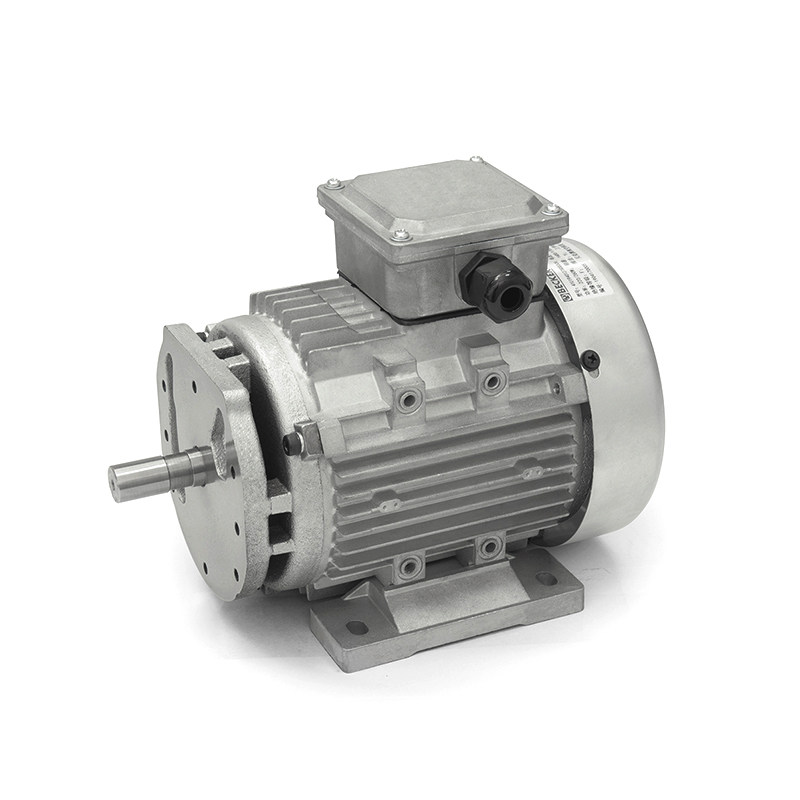
Electric motors are the workhorses of modern industry, converting electrical energy into mechanical motion that drives pumps, conveyors, compressors, fans, and countless other pieces of equipment. Whether you are specifying a new motor for a manufacturing line or maintaining existing machinery, understanding how these devices operate and how to select and care for them can directly impact productivity, energy costs, and equipment lifespan. This guide walks through the fundamentals of electric motor technology and offers practical guidance for industrial applications.
Understanding How Electric Motors Work
At their core, electric motors rely on the interaction between magnetic fields and electric current to produce rotational force. When current flows through a motor's windings, it generates a magnetic field that interacts with either a permanent magnet or an induced magnetic field in the rotor, causing the shaft to turn. This basic principle applies across nearly all motor designs, though the specific mechanism for generating and controlling that magnetic interaction varies significantly between motor types.
The two primary components in any motor are the stator, which remains stationary and houses the windings, and the rotor, which spins inside the stator. The efficiency, torque output, and speed characteristics of a motor depend on the materials used, the winding configuration, and how the current is supplied and controlled.
Common Types of Electric Motors Used in Industry
Industrial facilities rely on several distinct motor categories, each suited to different load, speed, and control requirements. Selecting the right type is often the first step toward reliable, efficient operation.
| Motor Type | Typical Use Case | Key Advantage |
| AC Induction Motor | Pumps, fans, conveyors | Rugged, low maintenance, low cost |
| Synchronous Motor | Compressors, large fans | Constant speed under varying load |
| DC Motor | Variable-speed drives, robotics | Precise speed and torque control |
| Servo Motor | Automation, CNC machinery | High precision positioning |
| Stepper Motor | Packaging, 3D printing | Accurate incremental movement |
Among these, AC induction motors remain the most widely deployed in heavy industry due to their simplicity and durability. However, applications requiring precise speed regulation or dynamic torque control increasingly favor servo or variable frequency drive-controlled motors.
Key Specifications to Consider Before Selecting a Motor
Choosing an appropriate motor involves more than matching horsepower to a load. Several technical specifications determine whether a motor will perform reliably in a given environment.
Horsepower and Torque Requirements
The motor must supply enough torque to start and sustain the connected load, including any peak demands during startup. Undersized motors overheat and fail prematurely, while oversized motors waste energy and increase upfront costs.
Voltage and Frequency Compatibility
Motors must match the facility's electrical supply in terms of voltage, phase, and frequency. Mismatches can cause inefficient operation or damage to the windings over time.
Enclosure and Environmental Rating
Industrial environments often expose motors to dust, moisture, chemicals, or extreme temperatures. Enclosure ratings, such as Totally Enclosed Fan-Cooled (TEFC) or explosion-proof designs, determine how well a motor withstands these conditions.
- Open Drip-Proof (ODP): suited for clean, dry indoor environments
- TEFC: ideal for dusty or wet environments where airflow needs protection
- Explosion-proof: required for hazardous locations with flammable gases or dust
- Washdown duty: designed for food and beverage processing facilities
Maintenance Practices That Extend Motor Life
Regular maintenance is one of the most effective ways to avoid unplanned downtime and extend the operational life of industrial motors. A structured maintenance program typically combines visual inspections, vibration analysis, and periodic testing.
Lubrication Management
Bearings require proper lubrication at intervals specified by the manufacturer. Over-lubrication and under-lubrication are both common causes of premature bearing failure, so following a documented schedule is essential.
Vibration and Thermal Monitoring
Excessive vibration often signals misalignment, imbalance, or bearing wear before a motor actually fails. Infrared thermography can also detect overheating in windings or connections, allowing maintenance teams to intervene before a breakdown occurs.
Insulation Resistance Testing
Periodic insulation resistance tests help identify degradation in winding insulation caused by heat, moisture, or contamination, reducing the risk of electrical failure.
Common Problems and Troubleshooting Tips
Even well-maintained motors can experience issues over time. Recognizing early warning signs allows technicians to address problems before they escalate into costly failures.
- Overheating: often caused by overloading, poor ventilation, or voltage imbalance
- Excessive noise: may indicate bearing wear, misalignment, or loose components
- Frequent tripping: can result from short circuits, ground faults, or overload conditions
- Reduced torque output: often linked to worn bearings, voltage drop, or rotor bar damage
Establishing baseline performance data for each motor when it is new makes it much easier to detect deviations later, since technicians can compare current readings against known-good values rather than relying solely on generic thresholds.
Energy Efficiency Standards and Cost Savings
Electric motors account for a substantial share of industrial electricity consumption, making efficiency a major factor in total operating cost. Many countries now mandate minimum efficiency standards for motors sold for industrial use, and facilities that upgrade to premium-efficiency models often see measurable reductions in energy bills over the motor's service life.
Beyond simply purchasing a higher-efficiency motor, pairing motors with variable frequency drives can produce significant savings in applications where load varies over time, such as pumps and fans. Rather than running at full speed continuously, a drive-controlled motor adjusts output to match actual demand, cutting energy waste substantially in partial-load conditions.
When evaluating a motor replacement or upgrade, it is worth calculating the total cost of ownership rather than focusing solely on purchase price. Energy costs typically dwarf the initial equipment cost over a motor's operating lifetime, so even a modest efficiency improvement can translate into meaningful long-term savings.
Ultimately, successful management of industrial electric motors depends on matching the right motor type to the application, adhering to proper installation and environmental protection practices, and maintaining a consistent inspection and maintenance schedule. Facilities that treat motor selection and care as an ongoing discipline rather than a one-time decision tend to experience fewer unplanned outages and lower overall operating costs.

-
Feedback
Related products


Hotline:0086-15869193920
Time:0:00 - 24:00
