

 English
 Deutsch
 italiano
 中文简体
中文简体
Author: Admin Date: 2026-07-21
How Do Brushed DC Motors Work and When Should You Use One?
Content
How a Brushed DC Motor Actually Works
A brushed DC motor converts electrical energy into rotational motion using a straightforward mechanical arrangement that has remained largely unchanged for over a century, despite improvements in materials and manufacturing precision. Current flows through carbon or metal graphite brushes into a rotating commutator, which then directs the current into the motor's armature windings. As current passes through these windings, it generates a magnetic field that interacts with the fixed magnets surrounding the rotor, producing the torque that spins the shaft. The brushes maintain continuous electrical contact with the commutator as it rotates, switching the direction of current flow at precisely the right moments to keep the rotor spinning in one direction.
This mechanical commutation is what distinguishes brushed motors from their brushless counterparts, which rely on electronic controllers instead of physical contact to manage current switching. While this makes brushed motors mechanically simpler and generally less expensive to produce, it also introduces friction and wear at the brush-commutator interface, a factor that directly affects the motor's lifespan and maintenance needs.
Core Components and Their Functions
Every brushed DC motor relies on a small set of essential parts working together. The stator houses the permanent magnets or field windings that create the stationary magnetic field the rotor interacts with. The armature, sometimes called the rotor, contains the windings that generate the motor's rotating magnetic field and is mounted on the motor's shaft. The commutator is a segmented ring attached to the armature that reverses current direction in the windings at the correct rotational position, while the brushes, typically made of carbon or a carbon-metal blend, press against the commutator to deliver current from the power source.
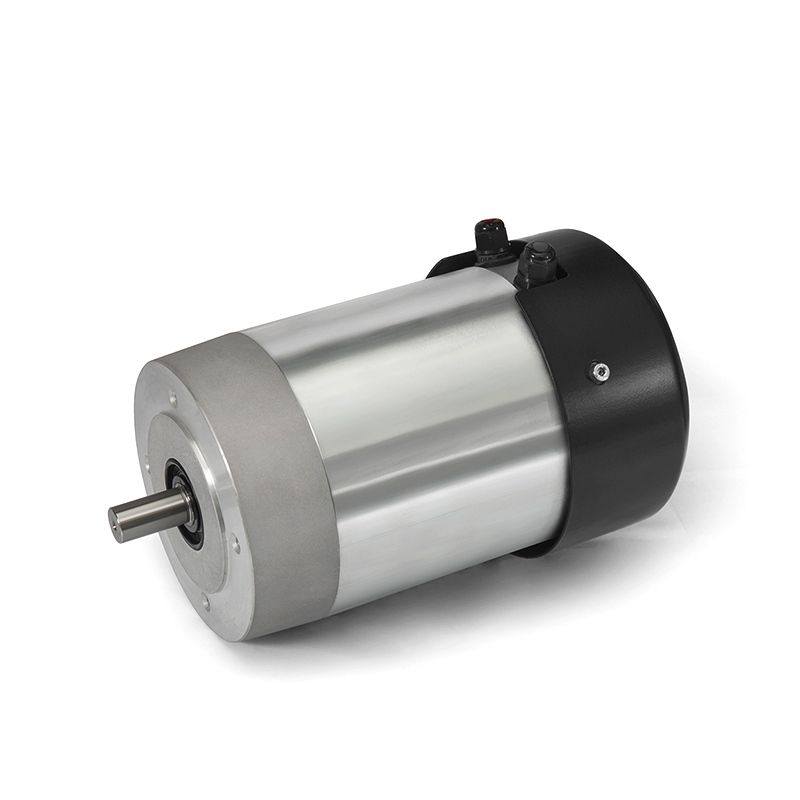
Bearings support the shaft and reduce friction during rotation, and their quality directly affects how smoothly the motor runs and how long it lasts under load. Understanding how these parts interact helps when diagnosing performance issues, since a problem in one component, such as worn brushes or a damaged commutator segment, often produces specific symptoms like sparking, reduced torque, or inconsistent speed.
Main Components at a Glance
- Stator: houses magnets creating the stationary magnetic field
- Armature/rotor: contains windings generating rotational force
- Commutator: reverses current direction to sustain rotation
- Brushes: deliver current from the power source to the commutator
- Bearings: support the shaft and reduce rotational friction
Where Brushed DC Motors Are Commonly Used
Brushed DC motors remain widely used because they offer simple control, low upfront cost, and dependable performance for applications that don't demand extremely long service life or minimal maintenance. Cordless power tools, toy vehicles, and small household appliances frequently rely on brushed motors because the required speed control can be achieved with a simple variable resistor or basic pulse-width modulation circuit, rather than the more complex electronics brushless motors require. Automotive applications also use brushed motors extensively for components like power windows, seat adjusters, and windshield wiper systems, where cost efficiency and simple control matter more than extended maintenance-free operation.
Industrial equipment that requires precise, easily adjustable speed control, such as certain conveyor systems and small pumps, also benefits from brushed motor designs since torque and speed can be finely tuned with straightforward voltage adjustments. This simplicity in control circuitry is a major reason brushed motors remain a practical choice even as brushless alternatives become more common in high-performance applications.
Common Applications by Sector
| Sector | Typical Use |
| Consumer Products | Power tools, toys, small appliances |
| Automotive | Power windows, wipers, seat adjusters |
| Industrial | Conveyors, pumps, actuators |
Comparing Brushed and Brushless Motors
Choosing between brushed and brushless motors often comes down to balancing upfront cost against long-term maintenance and efficiency needs. Brushed motors are generally cheaper to manufacture and simpler to control, making them attractive for budget-sensitive or low-duty-cycle applications. However, the physical contact between brushes and commutator causes gradual wear, meaning brushes need periodic replacement and the motor may eventually require servicing to maintain performance.
Brushless motors eliminate this wear point by using electronic commutation instead of physical brushes, resulting in longer service life, higher efficiency, and quieter operation. The tradeoff is a more complex and expensive control system, since brushless motors require an electronic controller to manage current switching that a brushed motor achieves mechanically. For applications where downtime for maintenance is costly or impractical, brushless motors are often worth the additional investment, while brushed motors remain a sensible choice where budget constraints or lower duty cycles make the tradeoff favorable.
Extending the Life of a Brushed DC Motor
Regular maintenance can significantly extend the operational life of a brushed DC motor. Inspecting brushes periodically for wear and replacing them before they wear down completely prevents damage to the commutator, since worn brushes can cause excessive sparking and pitting on the commutator surface. Keeping the motor's ventilation clear of dust and debris helps prevent overheating, which is one of the more common causes of premature motor failure, particularly in dusty industrial environments.
Operating the motor within its rated voltage and load specifications also protects its lifespan considerably. Consistently running a motor beyond its rated capacity accelerates wear on both the brushes and bearings, shortening the overall service life. For applications with predictable duty cycles, scheduling brush inspections at set intervals rather than waiting for visible performance issues allows for proactive maintenance that keeps the motor running reliably over a longer period.

-
Feedback
Related products

Hotline:0086-15869193920
Time:0:00 - 24:00
