

 English
 Deutsch
 italiano
 中文简体
中文简体
Author: Admin Date: 2026-01-20
How Do Car Wash Motors Affect Performance and Efficiency?
Content
- 1 Common Types of Car Wash Motors
- 2 Key Applications of Car Wash Motors
- 3 Performance Factors That Define a Good Car Wash Motor
- 4 Comparison of Motor Types for Car Wash Equipment
- 5 How to Choose the Right Car Wash Motor
- 6 Maintenance Tips to Extend Motor Lifespan
- 7 Future Trends in Car Wash Motor Technology
A car wash motor is a core power component used to drive mechanical systems in automatic, semi-automatic, and self-service car wash equipment. It converts electrical energy into mechanical motion, enabling functions such as rotating brushes, moving conveyor belts, driving water pumps, operating blowers, and controlling lifting or swinging mechanisms. The performance, durability, and efficiency of the motor directly affect cleaning quality, operational stability, and long-term maintenance costs.
Because car wash environments involve constant exposure to water, chemicals, vibration, and continuous operation cycles, motors used in this industry must meet higher standards than ordinary industrial motors. Choosing the right motor is essential for ensuring reliable performance and minimizing downtime.
Common Types of Car Wash Motors
Different car wash functions require different motor types. Understanding these categories helps operators and equipment manufacturers select motors that match specific performance demands.
AC Induction Motors
AC induction motors are widely used in car wash systems due to their simple structure, reliability, and cost-effectiveness. They are commonly applied in brush rotation systems, conveyors, and blowers. These motors handle continuous operation well and can be paired with variable frequency drives (VFDs) to adjust speed and torque.
DC Motors
DC motors offer precise speed control and high starting torque, making them suitable for smaller car wash machines or specialized movements such as door openers and positioning systems. However, they typically require more maintenance due to brushes and commutators.
Gear Motors
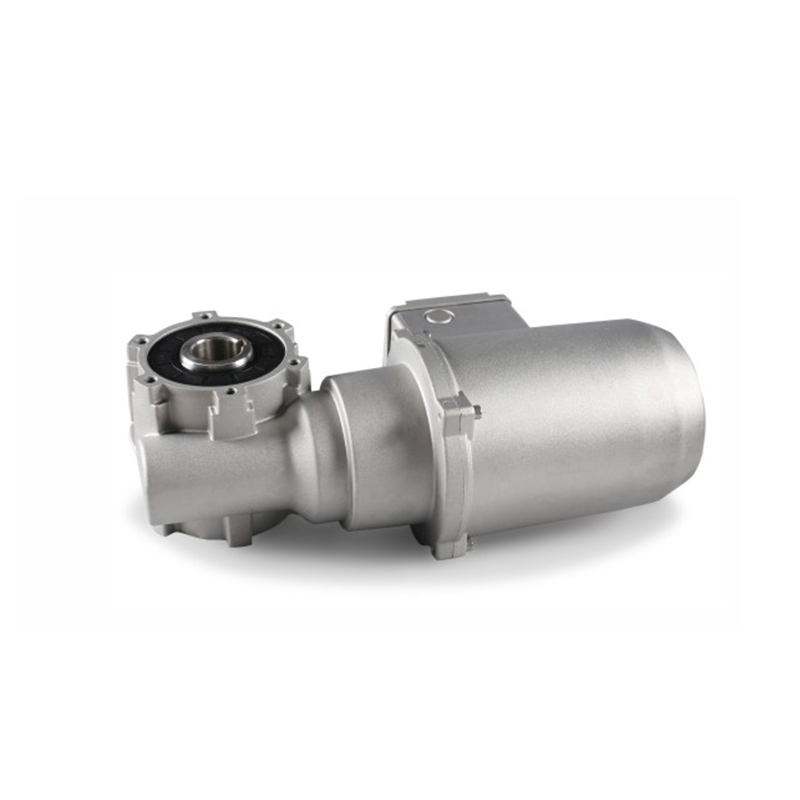
Gear motors combine a motor with a gearbox to deliver high torque at low speeds. In car wash equipment, they are often used for conveyor belts, lifting arms, and rotating frames where controlled motion and load-bearing capability are critical.
Waterproof and Washdown Motors
Washdown-duty motors are specially designed with sealed housings, corrosion-resistant coatings, and enhanced insulation. These motors are ideal for high-moisture areas and frequent chemical exposure, extending service life in harsh car wash environments.
Key Applications of Car Wash Motors
Car wash motors are used across multiple subsystems, each with distinct mechanical and operational requirements.
- Brush and roller rotation systems for surface cleaning
- Conveyor systems that move vehicles through tunnel washes
- High-pressure water pumps and foam application units
- Air blowers for drying vehicles
- Lifting and swinging mechanisms for adjustable wash arms
Performance Factors That Define a Good Car Wash Motor
Selecting a motor involves more than matching power ratings. Several technical factors determine whether a motor can handle real-world car wash conditions.
Power and Torque Requirements
Motors must provide sufficient torque to overcome water resistance, brush friction, and vehicle surface contact without stalling. Undersized motors can overheat and fail prematurely, while oversized motors increase energy consumption.
Ingress Protection Rating
Ingress Protection (IP) ratings indicate resistance to water and dust. Car wash motors typically require IP55, IP65, or higher ratings to prevent moisture ingress and electrical faults.
Thermal Management
Continuous operation generates heat. Motors with efficient cooling designs, quality insulation, and proper ventilation perform more reliably during long wash cycles.
Energy Efficiency
High-efficiency motors reduce electricity consumption and operating costs, especially in high-volume car wash facilities. Energy-efficient motors also run cooler and last longer.
Comparison of Motor Types for Car Wash Equipment
| Motor Type | Main Advantage | Typical Application | Maintenance Level |
| AC Induction Motor | Durable and cost-effective | Brushes, blowers | Low |
| DC Motor | Precise speed control | Positioning systems | Medium |
| Gear Motor | High torque output | Conveyors, lifts | Medium |
| Washdown Motor | Water and chemical resistance | Wet zone equipment | Low |
How to Choose the Right Car Wash Motor
Choosing the right car wash motor depends on equipment design, operating frequency, and environmental exposure. Decision-makers should consider mechanical load, duty cycle, available power supply, and maintenance capabilities.
- Match motor power and torque to actual load conditions
- Select appropriate IP rating for wet or chemical-prone areas
- Ensure compatibility with control systems such as VFDs
- Prioritize efficiency and long service life
Maintenance Tips to Extend Motor Lifespan
Proper maintenance significantly extends the lifespan of car wash motors. Regular inspections help identify issues before they lead to costly breakdowns.
- Check seals and gaskets for water intrusion
- Keep ventilation paths clear of debris
- Monitor operating temperature and vibration
- Schedule periodic lubrication and electrical checks
Future Trends in Car Wash Motor Technology
As car wash automation increases, motors are evolving toward smarter, more efficient designs. Integrated sensors, IoT connectivity, and high-efficiency drive systems allow predictive maintenance and optimized energy use. These advancements help operators improve uptime and reduce operational costs.
With growing demand for eco-friendly car wash solutions, energy-efficient and low-noise motors will continue to play a critical role in modern car wash facilities.

-
Feedback
Related products

Hotline:0086-15869193920
Time:0:00 - 24:00
